Top-tier Vehicle Maintenance Options: Bring Back Your Vehicle's Gloss
Ultimate car detailing services offer a meticulous approach to car maintenance. These professional treatments not only enhance the car's appearance but also support its longevity and resale value. With advanced equipment and premium solutions, the results often surpass what can be achieved through do-it-yourself approaches. Comprehending the full scope of these services can lead to more knowledgeable choices. What particular advantages do these professional services deliver, and how do they stack up against routine upkeep?
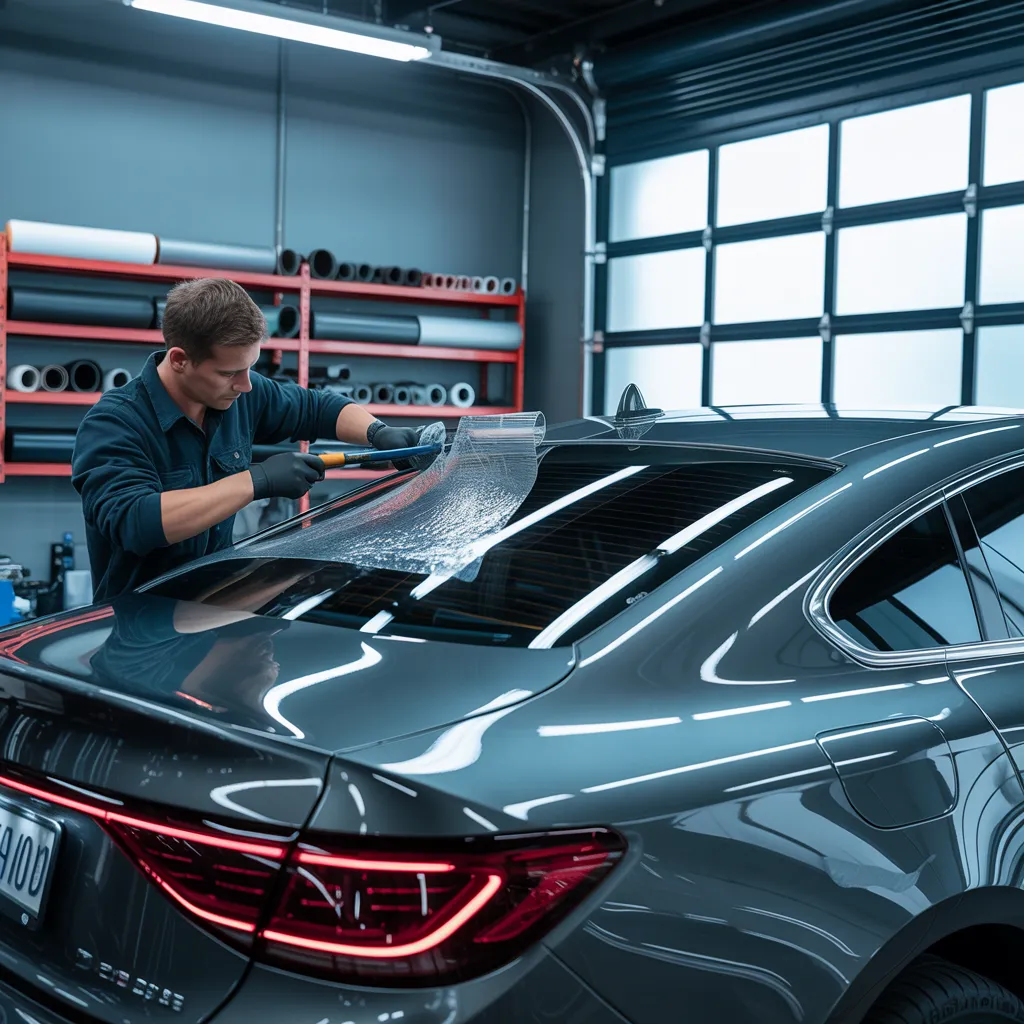
The Gains of Professional Car Detailing
While some auto owners prefer DIY cleaning methods, the advantages of professional car detailing are evident. Professional detailers employ dedicated tools and products that can produce results far better than what most individuals achieve at home. Their expertise allows for detailed cleaning and restoration of both the interior and exterior, focusing on hard-to-reach areas often neglected in casual cleaning.
Moreover, professional detailing can enhance a vehicle's resale price by reviving its visual appearance. This meticulous process often includes polishing, waxing, and applying protective coatings that not only enhance looks but also shield the vehicle from environmental damage.
Additionally, expert detailers are educated to recognize and resolve minor defects before they become expensive restoration work. In the end, opting for professional car detailing not only frees up time but also promises a measure of care that protects the vehicle's condition for years to come.
What Are the Primary Services in Ultimate Car Detailing?
What vital solutions establish ultimate car detailing? At the foundation of ultimate car detailing are several primary services intended to refresh and enhance a vehicle's appearance. First, meticulous exterior washing removes dirt and grime, followed by a clay bar treatment to purge embedded contaminants. Next, paint correction may be performed to address imperfections, guaranteeing a flawless shine.
Interior detailing encompasses thorough scrubbing of carpet fibers, upholstery, and hard surfaces, frequently employing steam-based cleaning and professional-grade solutions. Furthermore, tire and wheel cleaning, along with application of protective coatings, help maintain a car's outside surfaces.
Another crucial element is protective coating application, which offers a shield against environmental elements. Finally, engine compartment maintenance can enhance overall aesthetics and performance. Collectively, these services ensure that a vehicle not only looks pristine but also preserves its worth over time.
How Frequently Should You Plan Car Detailing?
How frequently should one schedule car detailing? The optimal frequency is determined by various factors, including the vehicle's usage, environment, and individual preferences. For individuals who commute regularly or often face harsh conditions—such as inclement weather or dusty environments—detailing services are suggested every three to six months. This consistent maintenance helps preserve the car's inside and outside, preventing long-term damage.
Conversely, for those who use their vehicles infrequently or maintain them meticulously, detailing may only be necessary once or twice a year. Regular maintenance, such as cleaning and vacuuming, can extend the intervals between professional detailing sessions. Ultimately, the decision should consider the vehicle's state and the owner's commitment to maintaining its appearance. Scheduling car detailing periodically ensures that the vehicle stays in peak condition, enhancing both aesthetic appeal and resale value.
Tips for Selecting the Best Car Detailing Option Suited to Your Preferences
Selecting the best car detailing package requires careful analysis of multiple factors. One must evaluate the kind of vehicle and determine how frequently detailing services are required. Additionally, examining the aspects of different options can help ensure that unique needs are addressed properly.
Review Your Motor Type
Choosing the fitting car detail service often depends upon the vehicle type one possesses. Different vehicles, such as sedans, SUVs, or luxury cars, have specialized requirements that determine the detail process. As an example, bigger automobiles may require more thorough cleaning and waxing, while premium cars typically need specialized products to preserve their surfaces. Moreover, if a vehicle gets consistently exposed to difficult conditions, such as off-road usage or urban environments, a fuller detailing service becomes crucial. Owners must also think about the vehicle condition and age; aged vehicles may greatly gain from restoration services, while newer vehicles might simply need routine upkeep packages. Understanding these elements helps verify that the selected detail provider effectively meets specific needs.
Define Service Schedule
When evaluating the appropriate frequency for vehicle detailing, one must consider various elements that impact the car's condition and usage. The setting in which the car operates plays a significant role; for example, vehicles often exposed to harsh weather or grime may require more frequent detailing. Furthermore, the car's years and overall condition are essential; older cars or those displaying signs of wear may benefit from regular care to preserve their look and value. Operating practices also determine regularity; daily drivers may require maintenance more frequently than occasional commuters. In the end, a personalized strategy taking into account these elements will help establish the optimal maintenance plan, ensuring the vehicle stays in optimal condition while matching with the owner's lifestyle and financial constraints.
Analyze Plan Features
As vehicle proprietors assess their detailing options, understanding the characteristics of various plans becomes crucial for making an well-reasoned decision. Detail service plans often differ in scope, including standard washing and waxing treatments, interior vacuuming, and more comprehensive options like paint correction or ceramic protection. Clients should assess their specific needs, taking into account elements such as the vehicle's condition, preferred durability of the finish, and financial limitations. High-end plans may offer specialized treatments, like upholstery cleaning or engine cleaning, while standard options focus on exterior cleanliness. Evaluating these qualities can assist proprietors rank their top priorities, ensuring they select a package that aligns with their car's needs and their individual preferences for upkeep and servicing.
Do-It-Yourself compared to Specialized Car Detailing: Which Method Suits You Best?
Weighing DIY versus professional car detailing can profoundly affect both the car's presentation and the owner's satisfaction. DIY detailing supplies economical benefits and adaptability, allowing vehicle owners to clean their cars at their comfort. However, it requires time, effort, and a certain level of expertise to achieve satisfactory results. The use of proper tools and products is indispensable, as subpar materials can lead to harm or unsuccessful cleaning.
On the other hand, expert car care providers deliver specialized knowledge, state-of-the-art tools, and premium materials. Trained experts to address particular problems, such as scratches and stains, guaranteeing a thorough and polished finish. While this option is typically costlier, it frequently produces better results.
In the end, the decision between do-it-yourself and expert cleaning depends upon personal preferences, budget constraints, and desired results. Vehicle owners should evaluate their ability level and the state of their automobile when making this choice.
Recommendations for Preserving Your Car's Like-New Appearance Between Detail Services
To preserve a vehicle's pristine appearance between detailing services, a few essential practices can be implemented. Creating a consistent washing routine, applying protective wax, and maintaining the interior are crucial steps. These measures not only improve the car's visual appeal but also prolong its longevity.
Habitual Washing Schedule
A consistent washing regimen can considerably prolong the longevity of a vehicle's finish, making sure it stays vibrant and attractive. Washing regularly removes dirt, grime, and contaminants that lead to damage over time. Ideally, washing should be done every two weeks, though how often may change based on environmental conditions. Using a effective car shampoo and a soft sponge can avoid scratches, while rinsing well prevents soap residue. It’s important to focus on wheels and undercarriage, as these areas accumulate significant dirt. Also, washing in the shade can prevent water spots from appearing. By keeping up this routine, car owners can preserve their vehicle’s finish and enhance its overall aesthetic appeal, making it look fresher for longer.
Protect With Wax
Preserving your vehicle's exterior condition requires more than basic cleaning; implementing wax application is a essential approach to protecting its paint job. Wax acts as a barrier resisting environmental elements including UV rays, road salt, and contaminants, stopping them from deteriorating the paint. A professionally applied layer of wax magnifies your car's brilliance while providing a water-resistant film that deflects water, facilitating regular maintenance much easier. For optimal results, professionals advise applying wax every three months, ensuring that the protective layer continues to work. When evaluating wax options, opting for high-quality selections can help achieve a resilient shine. Additionally, applying wax under shaded area conditions and using proper application approaches can contribute to a pristine appearance, maintaining your car's visual charm between sessions with professional detailing services.
Interior Care Pointers
How can one maintain their car's cabin appearing pristine between professional cleanings? Regular maintenance is key. First, weekly vacuuming of seats and floor mats avoids accumulation of debris and preserves fabric quality. Using a soft cloth to wipe down surfaces helps eliminate fingerprints and dust without scratching. For leather interiors, using a conditioner every several months maintains suppleness and stops cracking. Additionally, utilizing seat covers|applying protective seat covers can shield against stains and spills. To combat unpleasant pertinent information smells, a simple air freshener or soda can be effective. Finally, keeping personal items organized in compartments reduces mess, ensuring a neat look. Through using these straightforward practices, one can greatly extend the life and aesthetic appeal of the interior of their vehicle.
Popular Questions Asked Often
Will detailing fix scratches from My Car's paintwork?
Detailing can reduce the visual impact of scratches on a car's paint, particularly through polishing methods. However, more severe scratches may necessitate expert interventions or repainting for complete removal, depending on their severity and depth.
How much time Does a Full Detailing Service Usually Take?
A thorough detailing service usually requires four to six hours approximately, based on the size and condition of the vehicle. Elements like particular services requested and the detailer's experience also affect the overall duration.
Do environmentally friendly items get used in Car Detailing?
Many car detailing services emphasize eco-friendly products, employing biodegradable cleaners and green methods. This strategy not only protects the environment but also ensures a secure, efficient cleaning process for vehicles without harmful chemical residues.
Can Car cleaning Assist With Foul Odors in My Car?
Detailing is able to effectively remove bad smells in cars. Through deep cleaning and the use of professional solutions, detailing addresses concealed odor sources, guaranteeing a fresher setting and enhancing overall passenger comfort for riders.
What Actions Should I Follow to Prepare My Car in preparation for Professional Detailing?
To ready a car for detail work, one should eliminate belongings, sweep the interior, and clean surfaces. Additionally, clearing the trunk and ensuring the vehicle is easy to access will increase the detailing process's effectiveness and efficiency.